The damage caused by frozen water pipes can be catastrophic – ahead of the winter months, Steven Daw gives his advise on how to protect your property in the wintry weather:-
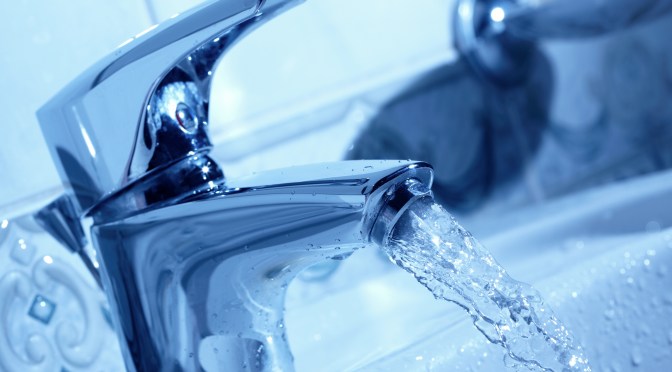
In these cold Winter conditions it is crucial to keep your water moving so that pipes don’t freeze up – running your taps every now and then will help to prevent freezing and could save you a hefty plumbers’ bill.
Keeping your heating turned on low when you are out or even when you’re away for a few days or longer. It doesn’t have to be high at all, just 5 or 6 degrees C will do it, but once again if water stays above zero it won’t freeze.
Away for a few days? Stop potential issues with freezing pipes by keeping the heating at just 5 or 6 degrees C, no need to keep it on high.
Regular servicing of your boiler and radiators: since the recession we have noticed an increase in emergency call outs as people try to save a bit of cash by cutting down on things they think are not important. But it makes so much more sense to spend a little getting your heating system up to scratch. Aside from the safely aspect, It will last longer and will perform when you most need it to.
Have a timer installed on your heating system – this will save you money by not running things at full temperature all the time, but at the same time give your house a little boost every now and then to keep things from getting too cold and giving you the sort of expensive problems you can experience when your pipes freeze up.
Having thermostatic radiator valves fitted to all your radiators to control individual room temperatures will give you the ability to switch heat off completely in certain parts of your house, thus reducing your fuel costs further, while keeping things warm where they are needed.
Another idea is to keep your loft hatch open a few inches to let warm air into your loft or roof cavity where your water pipes are, which will help no end in keeping water from freezing.
Regular servicing of your boiler is vital for safety, but significantly a well maintained heating system will be more efficient and cost less to run.
Older type boilers waste energy; consider replacing yours with a modern condensing boiler, which converts more than 88% of fuel into heat. This could save you 30%, or around £150-£180 on your average annual heating bill.
Install a timer on your heating system – it is far more cost efficient to have your boiler coming on an off when required rather than having it continuously running.
Make sure your heating system is equipped with a room thermostat – cutting room temperature by one degree will save 5% annually on your heating bill.
Have thermostatic radiator valves fitted to all your radiators to control individual room temperatures or switch heat off completely in certain parts of your house.
Make sure all your heating system’s pipes are properly lagged and insulated so energy is not wasted through heat loss.
Make sure your hot water cylinder has an insulation jacket.
Make sure a timer is fitted to your emersion heater’s hot water tank to avoid wasting money by keeping water hot all day.
Make sure your immersion heater has a thermal safety cut out fitted.
Recommendations from the Gas Safe Register of qualified installers:-
Have all your gas appliances, including boilers, gas cookers and gas fires, safety checked annually.
Always use a Gas Safe registered engineer to fit, fix and check gas appliances in your home – it’s the law and will help keep you safe.
Always ask to see an engineers Gas Safe ID cardand check the back of the card to ensure they are qualified to carry out the specific type of gas work you need.
Recognise the symptoms of carbon monoxide poisoning– headaches, dizziness, nausea, breathlessness, collapse and loss of consciousness.
Check gas appliances for warning signs that they are not working properly e.g. lazy yellow flames instead of crisp blue ones, black marks or stains on or around the appliance and too much condensation in the room. Remember that an unsafe appliance sometimes has none of these signs at all.
Buy an audible carbon monoxide alarmfor your home and make sure it is located near to your gas appliances in accordance with the manufacturer’s guidance. Carbon monoxide can leak from appliances and kill.
Only use gas appliances for their intended purpose e.g. don’t use a gas oven to heat a room or use a gas barbeque inside the house.
Always ensure there is enough ventilation for your gas appliances to allow them to burn correctly and make sure you are not blocking any air vents that provide an air supply to the gas appliance.


 Steven Daw Plumbing & Heating Services